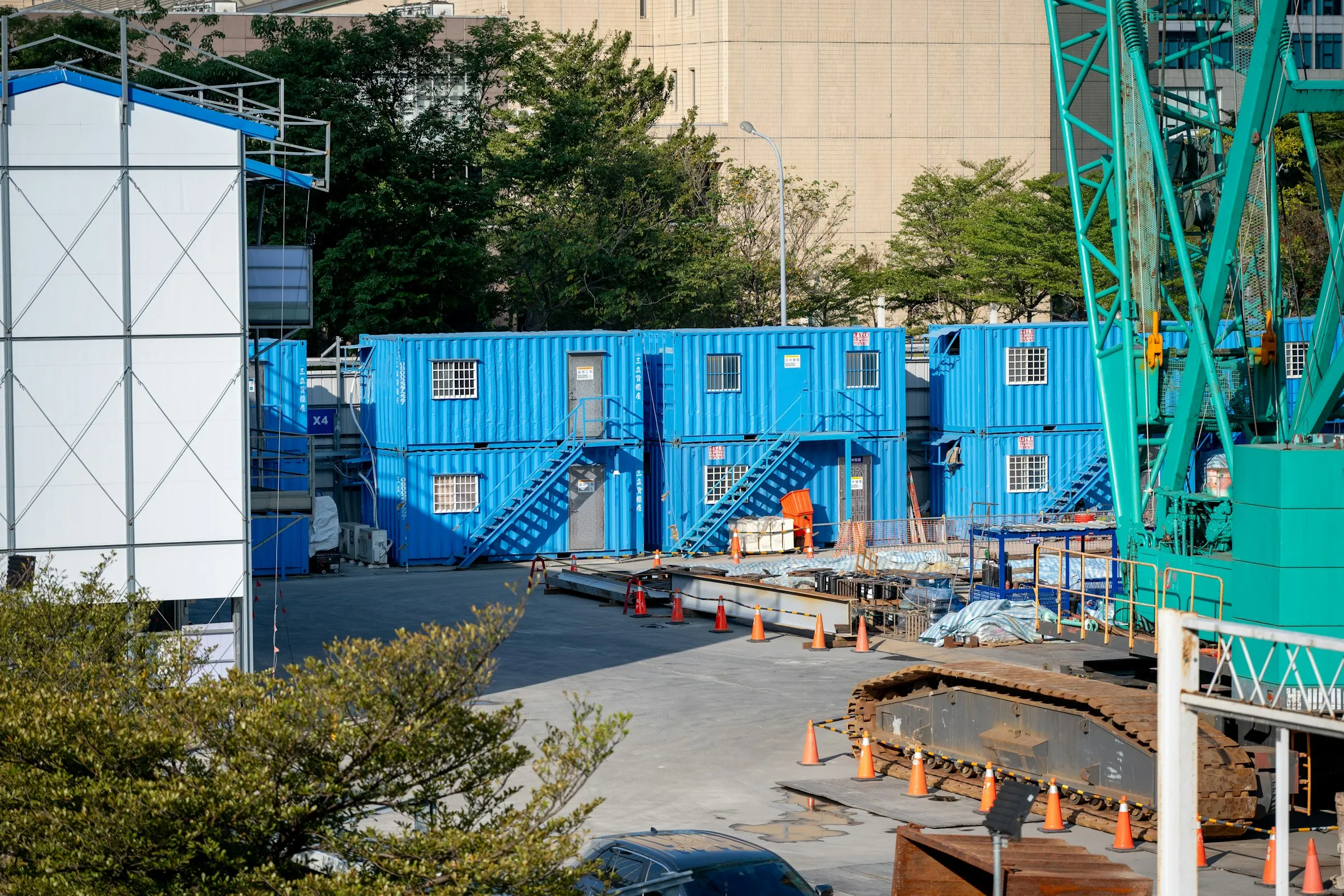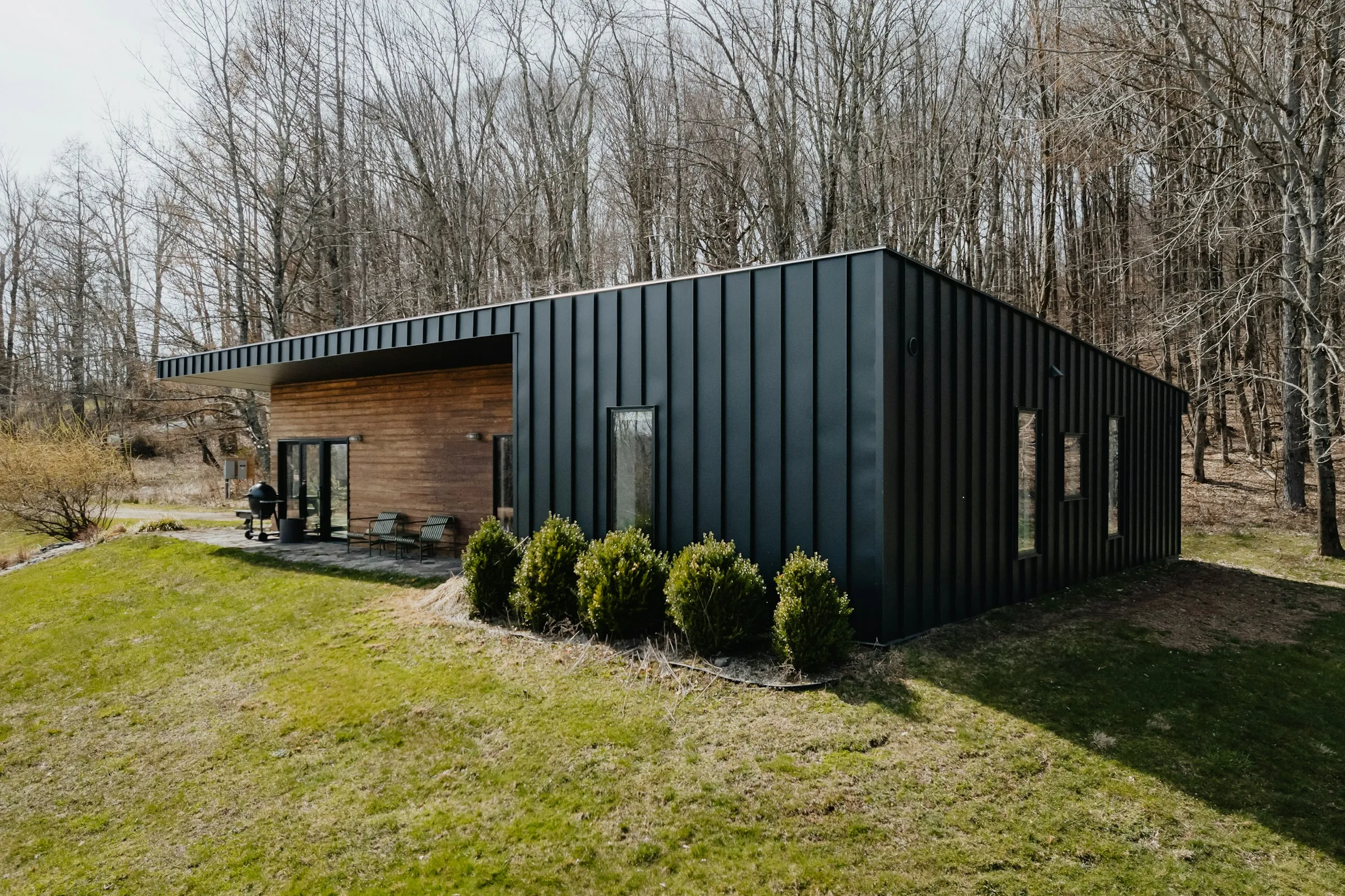
A complete container house quotation names the exact model and size, the steel frame thickness and coating, the panel core and thickness, the electrical standard, every accessory, the Incoterm and port, the lead time, payment terms and validity. Align those items across suppliers first, then compare price per unit, per m² and per bed, plus freight per unit. The lowest line price often hides thinner steel, thinner panels or missing items.
Two quotations for “20 ft container houses” can be far apart in price — and both suppliers can be honest. The difference is usually in what each one is actually offering. This guide shows how to read a quotation line by line, so you compare like with like and avoid surprises when the containers arrive.
What a complete quotation should contain
| Section | What it should state | Why it matters |
|---|---|---|
| Product and model | Model name, dimensions, floor area, layout drawing | Floor area varies widely between “20 ft” units |
| Structure | Steel type, thickness and coating (e.g. hot-dip galvanized) | Strength, corrosion resistance and lifespan |
| Wall and roof panels | Core material, density, thickness, steel sheet thickness | Insulation, fire safety and a large share of the price |
| Floor | Board type and thickness, finish, rated floor load | Durability under daily use and furniture |
| Doors and windows | Material, glazing type, sizes and positions | Security, insulation and comfort |
| Electrical | Voltage and frequency, plug type, number of sockets and lights | Must match your country’s grid and rules |
| Plumbing and fit-out | Bathroom, kitchen, air-conditioning, furniture | Often priced separately |
| Accessories | Stairs, walkways, canopies, connection kits | Easy to miss on multi-unit projects |
| Packing | Units per container, number of containers | Drives your freight cost |
| Price and terms | Unit price, total, currency, Incoterm and named port | Without these the price cannot be compared |
| Lead time, payment, validity | Production days, payment schedule, expiry date | Your project schedule and cash flow |
If any section is missing, ask for it in writing before you compare.
Five specifications that move the price most
- Steel thickness and coating. “Steel frame” alone tells you nothing. For reference, our folding house frame is hot-dip galvanized steel of 2.5–3.0 mm, and our flat-pack frame is galvanized cold-formed steel of 2.3–3.0 mm. Thinner or painted-only steel is cheaper and wears faster.
- Panel core and thickness. EPS, rock wool and PU differ in price, insulation and fire rating, and 50 mm and 75 mm panels are not the same product. Our insulation guide explains the trade-offs.
- Floor. Check the board type, its thickness and the floor finish — for example 18 mm cement fibre board with 1.6 mm PVC flooring on our folding units.
- Doors, windows and glazing. Single or double glazing, PVC or aluminium frames, and a steel security door versus a light door all change the cost.
- Electrical and fit-out. The number of sockets and lights, the distribution box, and whether bathrooms, kitchens and air-conditioning are included.
Compare per unit, per m² and per bed
Unit sizes differ, so price per unit can mislead:
| Model | Floor area | Units per 40HQ |
|---|---|---|
| Folding EF-20 (20 ft) | 14.6 m² | 6 |
| Flat-pack FP-20 | 18 m² | 4 |
| Expandable EX-20 (20 ft) | 37 m² | 2 |
Divide each quoted price by the floor area to get a price per m². For accommodation, also work out the price per bed using your space standard — our camp planning guide explains the common benchmarks.
Freight changes the real cost per unit
Freight is charged per container, so the number of units per container changes the cost of every unit:
Freight per unit = freight per 40HQ ÷ units per 40HQ
With the same ocean freight rate, a 20 ft expandable unit (two per 40HQ) carries three times the freight cost of a 20 ft folding unit (six per 40HQ). Also make sure every quotation uses the same Incoterm and port — an FOB price and a CIF price are not comparable. Our shipping guide explains FOB, CIF and DDP.
Costs that are often left out
Most factory quotations stop at the port. Budget separately for anything not listed:
- Import duties, taxes and customs broker fees in your country;
- Inland transport from the port to site;
- Crane or forklift hire for unloading and placing units;
- Foundations — see our foundations guide;
- Utility connections — power, water, drainage;
- Installation labour, and travel and accommodation if the supplier sends an engineer;
- Furniture, air-conditioning and spare parts, if not included;
- Pre-shipment inspection fees, if you use a third-party inspector.
Payment terms, lead time and validity
- Payment. A common arrangement for export orders is a T/T deposit, often around 30%, with the balance before shipment; an L/C at sight is often available for larger orders. Pay only to a company account in the supplier’s legal name, and confirm bank details by phone or video call — never act on an email saying the bank details have changed.
- Lead time. Check when it starts (usually from the deposit) and whether it covers production only. Ours is about 15 days for standard models and 20–30 days for customised orders, before sea transit.
- Validity. Steel and freight prices move, so note the expiry date and whether freight is fixed.
A fair comparison in five steps
- Send every supplier the same written brief — quantity, sizes, layout, climate, panel type, electrical standard, destination port and Incoterm.
- Put the quotes side by side, one row per line item, in a spreadsheet.
- Fill the gaps. Ask each supplier to price missing items or confirm in writing what is excluded.
- Normalise to the same Incoterm, then compare per unit, per m², per bed and freight per unit.
- Check the supplier, not just the price: a factory video call or visit, recent photos of the same product, export documents, and whether they accept third-party inspection before shipment.
Warning signs
- Panel or steel thickness not stated, or “sandwich panel” with no core material;
- A price far below the others with no explanation;
- No Incoterm, port, lead time or validity on the quotation;
- A request to pay a personal account or a newly changed bank account.
Send us your brief — we will reply within 24 hours with an itemised quotation, line by line, so you can compare it fairly with any other offer.
Frequently asked questions
Why do container house prices differ so much between suppliers?
Usually because the quotes are not for the same thing. Steel thickness and coating, panel core and thickness, floor boards, windows, electrical fittings, accessories and the freight term (FOB, CIF or DDP) all change the price. Align these before comparing.
Should I compare container houses by price per unit or per square metre?
Use both, and add price per bed for accommodation. Unit sizes differ — a 20 ft folding unit is 14.6 m², a flat-pack module 18 m² and a 20 ft expandable unit about 37 m² — so a low price per unit can still be a high price per m².
What payment terms are normal for container houses from China?
A common arrangement is a T/T deposit, often around 30%, with the balance paid before shipment. A letter of credit (L/C) at sight is often accepted for larger orders. Always confirm bank details directly with the supplier before paying.
How long is a container house quotation valid?
It varies by supplier. Steel prices and ocean freight change often, so quotations are usually valid for a limited period. Check the validity date and whether the freight part is fixed or subject to change at booking.